OPEN A BOOK,OPEN THE WORLD


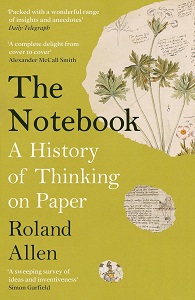
獻給筆記本控的超時空情書,文具編輯Rolland Allen帶你悠遊紙本書寫的時光迴廊!
★英國衛報專文推薦,Kirkus Review星級點評★
★從人類史上第一次的筆記開始,揭開紙本書寫與思考的連結,以及Moleskine筆記本的誕生故事★
在一切的故事開始之前,作者Rolland Allen寫下關於知名筆記本品牌Moelskine的故事...
時間回到1995年,當義大利文學翻譯瑪麗亞(Maria Sebregondi)和朋友法蘭西斯柯(Francesco Francesehi)一起航船於突尼西亞的海岸線,法蘭西斯柯同時也是米蘭一家禮品公司Modo & Modo的老闆,而他正在為推出新產品絞盡腦汁,希望能符合新世代的需求,就像手機和廉航機票一樣:便利、充滿創意、可隨時攜帶,他將這個新產品的消費族群定位為當代游牧者(Contemporary Nomad),但當旅程結束,兩個人還是沒想出任何好點子。
然而這個想法卻盤旋在瑪利亞的腦海,她回到羅馬的家裡,突然想起她喜歡的作家----《巴塔哥尼亞高原上》作者Bruce Chatwin的作品《歌之版圖》(Songlines)
中出現過的一段對話,作者曾在巴黎古喜劇院街的文具店購買過一本黑色皮革封面的筆記本,甚是喜歡,於是他打算訂100本足夠他這生使用。後來查到製造商是一家位於圖爾(Tours)的小製造廠,Chatwin致電後卻發現,原來印刷廠主人已經去世,兒子不打算繼承家業已賣掉廠房,與他聯繫的一位女士說:Le vrai Moleskine n‘est plus. (真正的Moleskine已不存在)
這讓瑪麗亞獲得靈感,她立刻聯繫法蘭西斯柯分享這個概念,雖然「真正的Moleskine」已然消失,但屬於這個世代的Moleskine筆記本就此誕生,好攜帶的厚度、堅固耐用的皮革面、精選用紙與全黑設計,Moleskine就此成為Modo & Modo的熱銷產品,直到現在,Moleskine已經是全球知名的筆記本品牌,也與Evernote合作,和其他大型IP聯名,甚至研發出多種不同系列,始終受到使用者的喜愛。
為什麼要先說Moleskine的故事?身為文具編輯的Rolland Allen,在Moleskine不斷成長中看見書寫力量的強大,以及人類文化與書寫的緊密關係,儘管我們已經有電腦、iPad、手機等多平台的紀錄媒介,但許多插畫家、設計師、工程師、研究人員、網頁設計師等非常多職業的人依然十分倚賴筆記本和筆記習慣,顯示書寫能夠激發創意思考,成為推動文明前進的動力。
他決定從源頭開始探尋,從人類史上第一次的書寫記錄出發,古埃及時期已經學會用莎草作為書寫工具,但莎草紙製作過程緩慢且脆弱,古羅馬時期開始使用羊皮紙,而一直要等到13-14世紀,從中國傳來的造紙術才逐漸在歐洲大陸興盛。筆記本型態和用途也是他關注的焦點,筆記本跟著時代的潮流與趨勢轉變,新增其多元用途與內容,有氣象觀測員的筆記簿、植物學家的筆記本裡則充滿植物繪跟觀測筆記;心理學家的問診本,荷蘭流行的好朋友肖像冊,廚師的食譜筆記...各式各樣超乎想像的筆記本,展示世界各地文化的流轉與社會變遷,讓筆記本不僅僅只是紀錄,也是知識、藝術、發明與創作的泉源。
這是一本獻給筆記本控的情書,也是給所有還熱愛紙筆書寫的讀者最大的鼓舞,因為書寫,我們存在。
We see notebooks everywhere we go. But where did this simple invention come from? How did they revolutionise our lives, and why are they such powerful tools for creativity? And how can using a notebook help you change the way you think?
In this wide-ranging story, Roland Allen reveals all the answers. Ranging from the bustling markets of medieval Florence to the quiet studies of our greatest thinkers, he follows a trail of dazzling ideas, revealing how the notebook became our most dependable and versatile tool for creative thinking. He tells the notebook stories of artists like Leonardo and Frida Kahlo, scientists from Isaac Newton to Marie Curie, and writers from Chaucer to Henry James. We watch Darwin developing his theory of evolution in tiny pocketbooks, see Agatha Christie plotting a hundred murders in scrappy exercise books, and learn how Bruce Chatwin unwittingly inspired the creation of the Moleskine.
On the way we meet a host of cooks, kings, sailors, fishermen, musicians, engineers, politicians, adventurers and mathematicians, who all used their notebooks as a space for thinking and to shape the modern world.


