OPEN A BOOK,OPEN THE WORLD


年份:2018
ISBN:9781503605923
書號:30243255
裝訂:平裝
定價:$1,218
優惠價:$1,157元
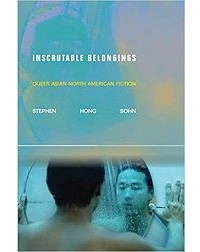
揉合形式主義與脈絡批評的雙重視角,深入審視北美亞裔酷兒文學中所湧現的敘事策略。作者針對描繪北美亞裔酷兒敘事者的小說展開深層文本細讀,探討作品涵蓋梁志英(Russell Leong)的〈偽裝〉("Camouflage")、Lydia Kwa的《脈動》(Pulse)、Alexander Chee的《愛丁堡》(Edinburgh)、Nina Revoyr的《飛靶射手》(Wingshooters),以及Noël Alumit的《給蒙哥馬利・克利夫特的信》(Letters to Montgomery Clift)。儘管面對重重敵意與壓迫,這些作品的主角仍憑藉不屈不撓的發聲行動、親述自身的「生存情節」,並一路堅韌存續至書頁的最終章,從而奪回具有革命意義的敘事核心地位。這一切之所以得以實現,正仰賴他們所建構的另類社會結構——亦即孫所稱的「難解的歸屬」。
綜觀全書,孫所剖析的這批文本喚起了北美亞裔酷兒(以及其他社會邊緣群體)的根本抗爭記憶,並直面跨種族慾望、愛滋病毒(AIDS/HIV)疫情、跨國流動與後殖民創傷等廣泛議題。在這些敘事中,北美亞裔酷兒往往被排斥於常規家庭結構之外,不得不抗衡交織著恐同、種族歧視與「社會性死亡」的多重壓迫、抹除與身體暴力歷史。孫的研究明確指出,對於這些作家及其所想像的社群而言,關於生存、親緣關係與敘事發展的探問,絕不僅止於再現層面的探討——它們更與切身的生命經驗緊密相連。
Inscrutable Belongings brings together formalist and contextual modes of critique to consider narrative strategies that emerge in queer Asian North American literature. Stephen Hong Sohn provides extended readings of fictions involving queer Asian North American storytellers, looking to texts including Russell Leong's "Camouflage," Lydia Kwa's Pulse, Alexander Chee's Edinburgh, Nina Revoyr's Wingshooters, and Noël Alumit's Letters to Montgomery Clift. Despite many antagonistic forces, these works' protagonists achieve a revolutionary form of narrative centrality through the defiant act of speaking out, recounting their "survival plots," and enduring to the very last page. These feats are made possible through their construction of alternative social structures Sohn calls "inscrutable belongings."
Collectively, the texts that Sohn examines bring to mind foundational struggles for queer Asian North Americans (and other socially marginalized groups) and confront a broad range of issues, including interracial desire, the AIDS/HIV epidemic, transnational mobility, and postcolonial trauma. In these texts, Asian North American queer people are often excluded from normative family structures and must contend with multiple histories of oppression, erasure, and physical violence, involving homophobia, racism, and social death. Sohn's work makes clear that for such writers and their imagined communities, questions of survival, kinship, and narrative development are more than representational—they are directly tied to lived experience.


