OPEN A BOOK,OPEN THE WORLD


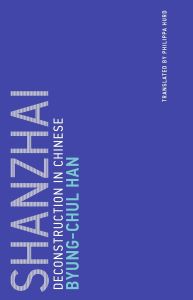
作者:Han, Byung-Chul/ Hurd, Philippa
出版社:MIT
年份:2017
ISBN:9780262534369
書號:30236011
裝訂:平裝
定價:$630
優惠價:$599元
Shanzhai: Deconstruction in Chinese《山寨:中國式解構》韓炳哲 Han Byung-Chul 文化研究 哲學
「山寨」在中國已然成為一種文化現象;山寨一詞最初是用來描述盜版品牌手機 Nokir 和 Samsing,這些盜版品不但沒有粗製濫造,甚至是更多功能、外型時尚、和原版一樣好。山寨遍布在中國日常生活的每個角落,從山寨書籍、山寨政客到山寨明星,甚至出現過山寨哈利波特——《哈利波特與瓷娃娃》,主角遠洋渡海來到中國遇見宿敵贗道魔。
在西方文化,山寨行為被視為一種盜用或褻瀆,但在中國文化,山寨作品是對原創的一種「解構」。在本作中韓炳哲追溯中國思想中的解構與毀滅,從對古代傑作的銘刻與轉錄到毛主義,韓炳哲認為是一種「山寨馬克思」的展現。
韓炳哲討論了中國概念中的「權」,意味著在天平兩端滑動的力量,與西方的絕對觀念相當不同。所謂的「真跡」或原創,不是由創造行為決定,而是由永無止盡的過程;書畫收藏家會將他們的「閑章」蓋在作品上,也成為作品的一部分;「複製」本身與真跡有著同等的價值。作者認為,東方文化始於解構,不存在先於解構的原創或身分等概念。
Tracing the thread of “decreation” in Chinese thought, from constantly changing classical masterpieces to fake cell phones that are better than the original.
Shanzhai is a Chinese neologism that means “fake,” originally coined to describe knock-off cell phones marketed under such names as Nokir and Samsing. These cell phones were not crude forgeries but multifunctional, stylish, and as good as or better than the originals. Shanzhai has since spread into other parts of Chinese life, with shanzhai books, shanzhai politicians, shanzhai stars. There is a shanzhai Harry Potter: Harry Potter and the Porcelain Doll, in which Harry takes on his nemesis Yandomort. In the West, this would be seen as piracy, or even desecration, but in Chinese culture, originals are continually transformed—deconstructed. In this volume in the Untimely Meditations series, Byung-Chul Han traces the thread of deconstruction, or “decreation,” in Chinese thought, from ancient masterpieces that invite inscription and transcription to Maoism—“a kind a shanzhai Marxism,” Han writes.
Han discusses the Chinese concepts of quan, or law, which literally means the weight that slides back and forth on a scale, radically different from Western notions of absoluteness; zhen ji, or original, determined not by an act of creation but by unending process; xian zhan, or seals of leisure, affixed by collectors and part of the picture's composition; fuzhi, or copy, a replica of equal value to the original; and shanzhai. The Far East, Han writes, is not familiar with such “pre-deconstructive” factors as original or identity. Far Eastern thought begins with deconstruction.


